
A Physical Practice Requires a Different Language
A different way to think about strength, consistency, and training in the second half of life.


Most fitness advice talks about sets, reps, exercises, calories, motivation, discipline, and willpower.
That’s not wrong.
But it’s incomplete.
Especially in the second half of life.
Over the years, it became clear that I was helping people develop a different relationship with training.
That required a different lens.
And eventually…a different language.
Words like rhythm, the dose, awareness, alignment, capacity, integration, iteration, and the idea of a physical practice.
Not buzzwords.
Frameworks for building strength and health that actually fit real life.
And the words matter more than most people realize.
Because language shapes how we think about training, how we respond to setbacks, and what we believe progress is supposed to feel like.
Most fitness language is built around intensity. Push harder. All-or-nothing thinking. No excuses.
A Physical Practice uses different language because it’s trying to create a different experience—one built around awareness, fit, rhythm, adjustment, and responsiveness.
Not softer.
Smarter.
Because the goal isn’t to constantly push against your body.
It’s to stay connected to it long enough to build something sustainable.
This is the language behind everything I teach and coach. Because the way we think about training shapes the experience we have with it.
Physical Practice
“A practice is the embodiment of an approach to a concept.” — Rick Rubin
That line stopped me the first time I read it because it perfectly describes how I think about training in the second half of life.
This is different than a workout program.
A Physical Practice is an ongoing, adaptable approach to training that evolves with you.
Programs usually have an end date.
A physical practice evolves.
It adapts to your energy, your season of life, your schedule, your stress, your recovery, your goals, and your environment.
Some days you push. Some days you dial it back. But you stay connected.
That’s the difference.
When something fits, you return to it.

That’s one of the biggest shifts in a physical practice.
You stop trying to force yourself into systems that only work under perfect conditions. Instead, you start building something responsive enough to move with your real life.
A physical practice is something you can return to again and again without needing to “start over.”
And in the second half of life, that matters more than almost anything.
Because the goal isn’t to crush workouts anymore. We still do, sometimes, but that’s not what drives us.
It’s to build a body and life that keep working together.
A Place To Start:
Stop thinking in terms of “starting a program.”
Start thinking about building a relationship with movement and strength you can stay connected to over time.
The goal isn’t perfection.
The goal is continuation.
Rhythm
Rhythm is what consistency looks like in real life.
Not perfection. Not never missing.
Rhythm is the repeatable pattern your body and nervous system can trust.
Rhythm doesn’t come from pressure. It emerges when the practice fits your life, your body, your ability to recover, and your current capacity.
That’s why rhythm feels different than discipline. It feels less forced, less fragile, and far more sustainable.
Most people don’t quit because they miss a workout or two. They struggle because the entire structure breaks when life gets busy.
Travel, work stress, poor sleep, family responsibilities, and low energy all test the structure.
The old model says:
“Get back on track.”
I see it differently.
The goal is to build a rhythm flexible enough to survive real life.
Because a program that only works under perfect conditions doesn’t work very long.
Try This:
Instead of asking:
“What’s the best program?”
Ask:
“What rhythm could I realistically stay connected to during a stressful week?”
Build from there.
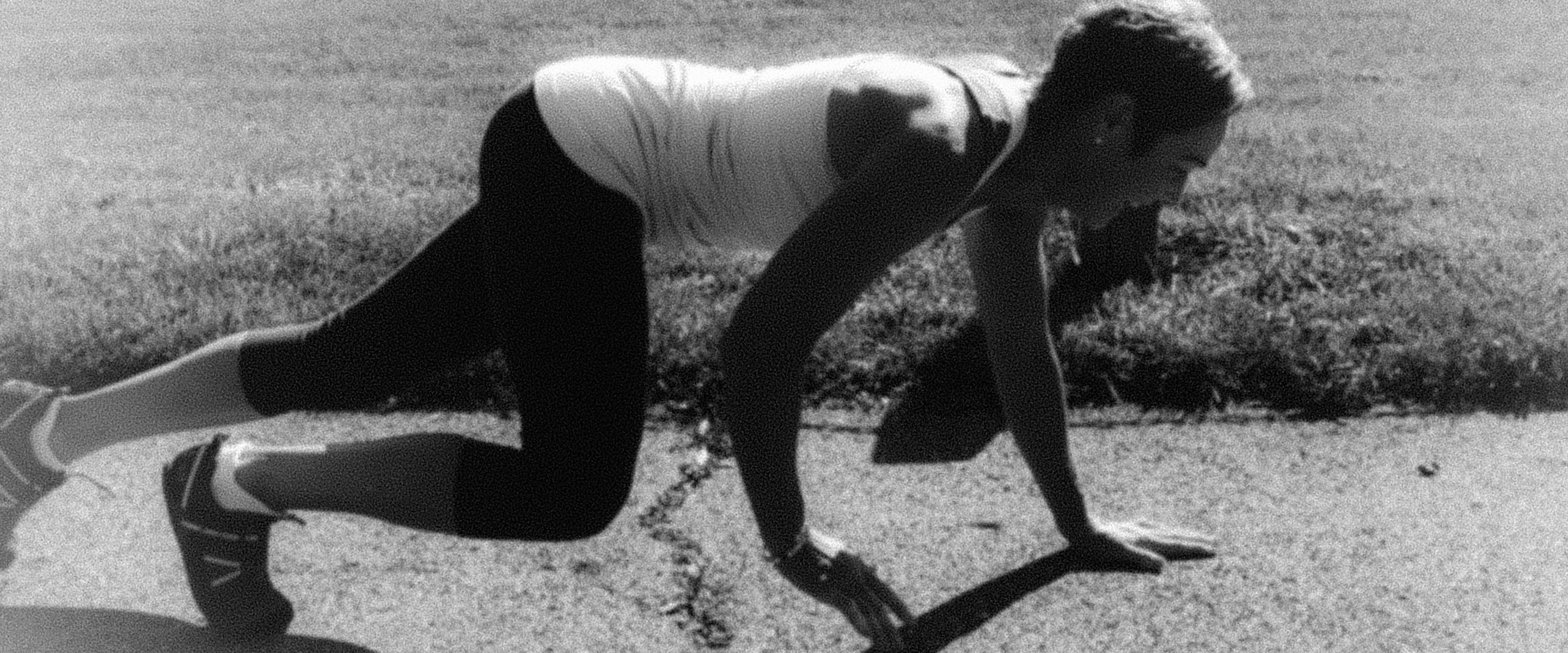
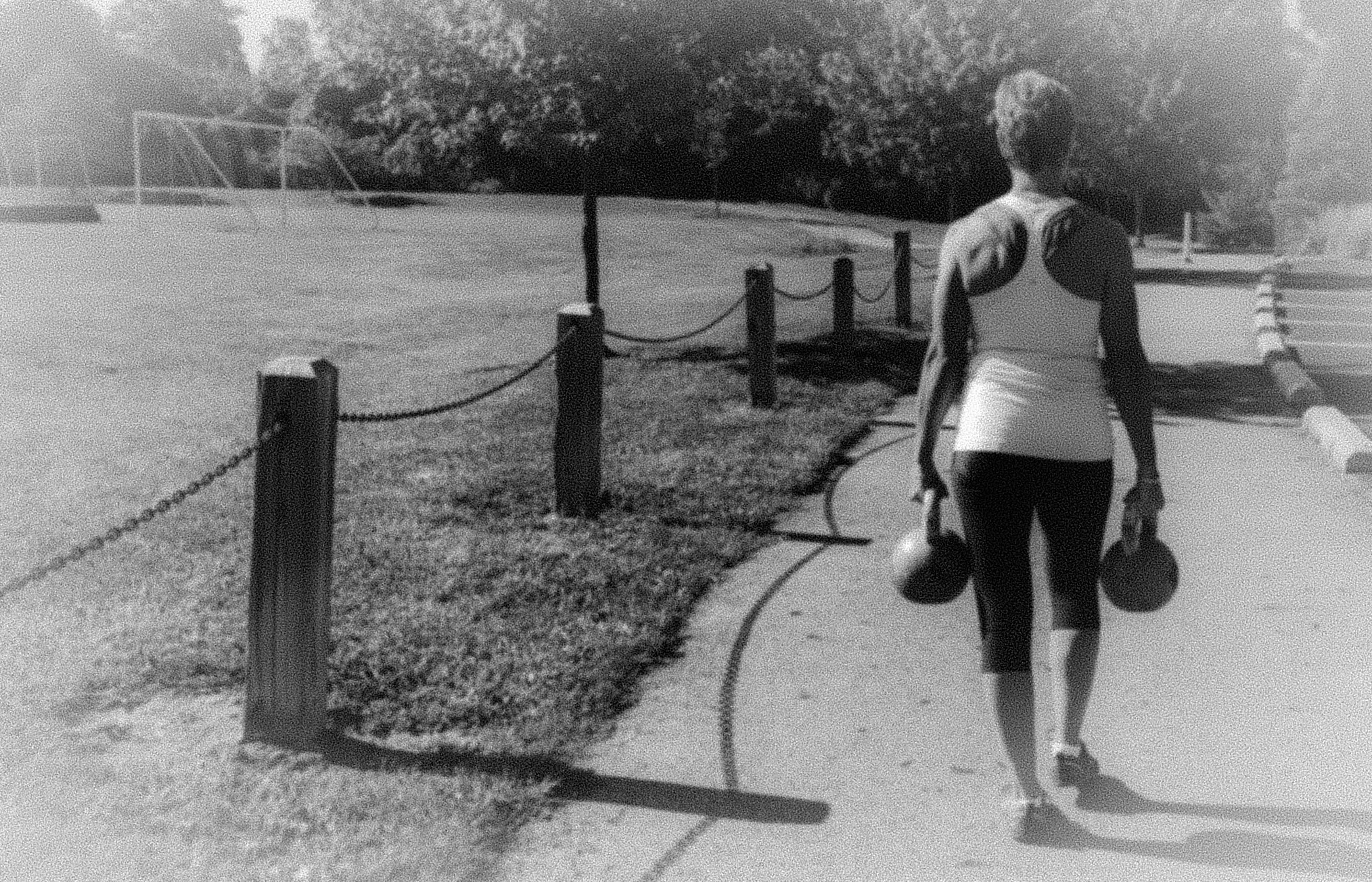
It’s amazing how two movements like crawling and carrying can effect your body. Simple. Time-efficient. And, kinda fun.
The Dose
The dose is the amount your body can respond to and recover from.
This is one of the biggest missing conversations in fitness.
Most people assume harder and more is better.
But more is only better if your body can adapt to it.
Too little doesn’t move the needle.
Too much creates fatigue, inconsistency, soreness, frustration, and eventually, avoidance.
The right dose creates momentum.
And the right dose changes.
That’s important.
Your ideal dose at 35 may not be your ideal dose at 55.
Even week to week, the dose may shift depending on sleep, stress, travel, recovery, workload, and life.
Your body is giving you clues.
That’s awareness.
A Better Question:
Instead of:
“How much can I do?”
Try:
“How much can I do and recover from consistently while still wanting to come back tomorrow?”
That’s usually a much better starting point.
The Variables of Training
Most people think training is about effort.
But training is really about managing variables.
The big ones are:
Volume — how much/total work
Intensity — how hard (% of your max)
Frequency — how often
Complexity — the coordination demand
Those variables create the dose.
And learning how to adjust them is one of the most valuable skills you can develop.
Sometimes progress comes from adding.
Sometimes it comes from reducing or deleting. Lowering the volume. Shortening the session. Reducing complexity. All to keep the rhythm alive.
That’s intelligent training.
Awareness
Awareness is where everything starts.
Not motivation.
Not discipline.
Awareness.
Understanding what your body can currently support, how you recover, what throws you off, what helps you stay connected, and what season you’re in right now.
So many people skip this part.
They jump straight into an idealized version of training based on who they used to be…or who they think they should be. Or what Suzie on Instagram says is the standard.
That may work for a few weeks.
Then life pushes back.
Awareness helps you build from reality instead of fantasy.
Not the version of you from twenty years ago. Not the version you think you should be. Not the version social media keeps trying to sell you.
The version standing here right now.
Awareness also helps you stop fighting yourself.
You start recognizing patterns. The workouts that leave you feeling better, not crushed. The amount of training you can recover from consistently. The habits that keep you connected. The situations that pull you out of rhythm.
That matters because progress isn’t just about effort. It’s about making decisions your body and life can actually support over time.
Awareness improves the quality of those decisions.
And like strength, awareness develops through practice.
You notice how your body responds, how stress changes recovery, when to push, when to adjust, when to simplify, and when to do less on purpose.
Without awareness, people tend to train from memory, comparison, or pressure.
Memory of what they used to be able to do.
Comparison to what someone else is doing.
Pressure to prove they still “have it.”
Awareness brings you back to the present. And the present is where sustainable training actually happens.
Practice Awareness By Noticing:
Which workouts leave you feeling better afterward?
Which ones create unnecessary friction?
What helps you stay connected?
What usually pulls you out of rhythm?
Awareness grows through observation.
Alignment
Alignment means your training fits your life.
Not just physically.
Mentally, emotionally, and logistically.
A lot of folks I talk to are forcing themselves through programs that were never designed for the life they actually live.
For a while, they can push through it.
But eventually, the friction catches up.
Because the body resists what the nervous system experiences as constant pressure.
The goal isn’t to remove all friction.
Some friction is necessary. That’s part of how we adapt, grow, and get better. And finding that sweet spot takes a minute. Be patient—it’s often a moving target.
This is where fit matters.
Not “easy.”
Not “comfortable.”
Fit.
A training approach that works with your current season of life instead of constantly fighting against it.
When something doesn’t fit, friction builds.
At first, motivation can override that friction. Maybe even discipline.
That friction matters.
Because eventually the body resists what the nervous system experiences as constant pressure.
Some people experience this as resistance.
That’s the cycle most people get stuck in.
Push hard.
Fall behind.
Restart.
Repeat.
Because the program they’re trying to follow creates too much friction to sustain.
Alignment creates sustainability.
When training fits your life, you stop relying on constant willpower to keep going.
One Sign Your Training Fits:
You no longer need to constantly “restart.”
The practice bends with life instead of breaking every time life gets busy.
Capacity
Capacity is your ability to handle and recover from stress.
Physical stress. Mental stress. Life stress.
A bigger engine can do more work.
But capacity isn’t built by pushing the pedal to the metal 100% of the time.
It’s built through appropriate stress (the right dose), recovery, rhythm, and time.
This is one reason why strength training matters so much in the second half of life. It helps expand your physical reserve.
Your ability to handle life.
Not just workouts.
Life.
Integration + Iteration
This is where a physical practice becomes real. Where the concepts stop being ideas and start becoming part of how you train.
Once the practice becomes part of how you train, you start seeing things differently.
Most people think progress comes from following the plan perfectly.
But long-term progress usually comes from refinement.
Paying attention.
Making adjustments.
Staying connected.
You shorten the workout. Or increase it. Adjust the volume. Change the movement. Shift the schedule. Adapt to the season you’re in.
Not because something went wrong.
Because you’re learning what works.
That’s what keeps the practice alive.
Without integration and iteration, most people end up trapped in the same cycle:
Start fast.
Go hard.
Lose rhythm.
Restart again.
But when you learn how to adjust without abandoning yourself, something changes.
Training starts fitting into your life instead of competing with it.
That’s a physical practice.
A Different Reflection Question:
Instead of asking:
“Did I follow the plan perfectly?”
Ask:
“What’s working right now—and what needs adjusting?”
That’s how a physical practice evolves.
Why I Don’t Start With Sets and Reps
Sets and reps matter.
Of course they do.
But they’re not the first conversation.
Most people think training starts with “programming” the best exercises, and how many days per week, and sets and reps to do.
I think it starts earlier than that.
With awareness.
With fit.
With rhythm.
With understanding what your body and life can actually support right now.
This takes a minute to figure out.
Because the best program in the world won’t help if the structure around it collapses in two weeks.
That’s why I need to know a little about you before coaching you. Otherwise, I’m guessing. And guessing isn’t coaching.
The goal is to build something you can actually stay connected to.
Because in the second half of life, sustainability is not an afterthought.
It’s the whole game.
And when you finally build a physical practice that fits? Everything changes.
Consistency starts feeling different. It becomes a byproduct of the practice.
Less like something you force. More like something that starts fitting your life.
You stop relying on perfect motivation. You stop needing ideal conditions. You stop negotiating with yourself every day.
Because the practice finally belongs to you.
Strength that shows up when you carry the bags, hike the trail, get down on the floor with your grandkids, when life gets hard, when stress is high, when energy is low, and when the season changes again.
That’s the deeper goal.
Not just completing workouts.
Becoming someone who knows how to stay connected to themselves through all the seasons of life.
That’s a physical practice.
And over time, it becomes something even bigger than training.
It becomes part of how you live.
Here with you for the second half—Jeff
P.S. If you’re trying to build a physical practice that actually fits your life—not just your motivation on a good day—I can help. Start with this
Beautifully articulated !!!