
The Problem with Age-Appropriate Exercise
The second half of life doesn't call for a lower standard. It calls for a different approach.

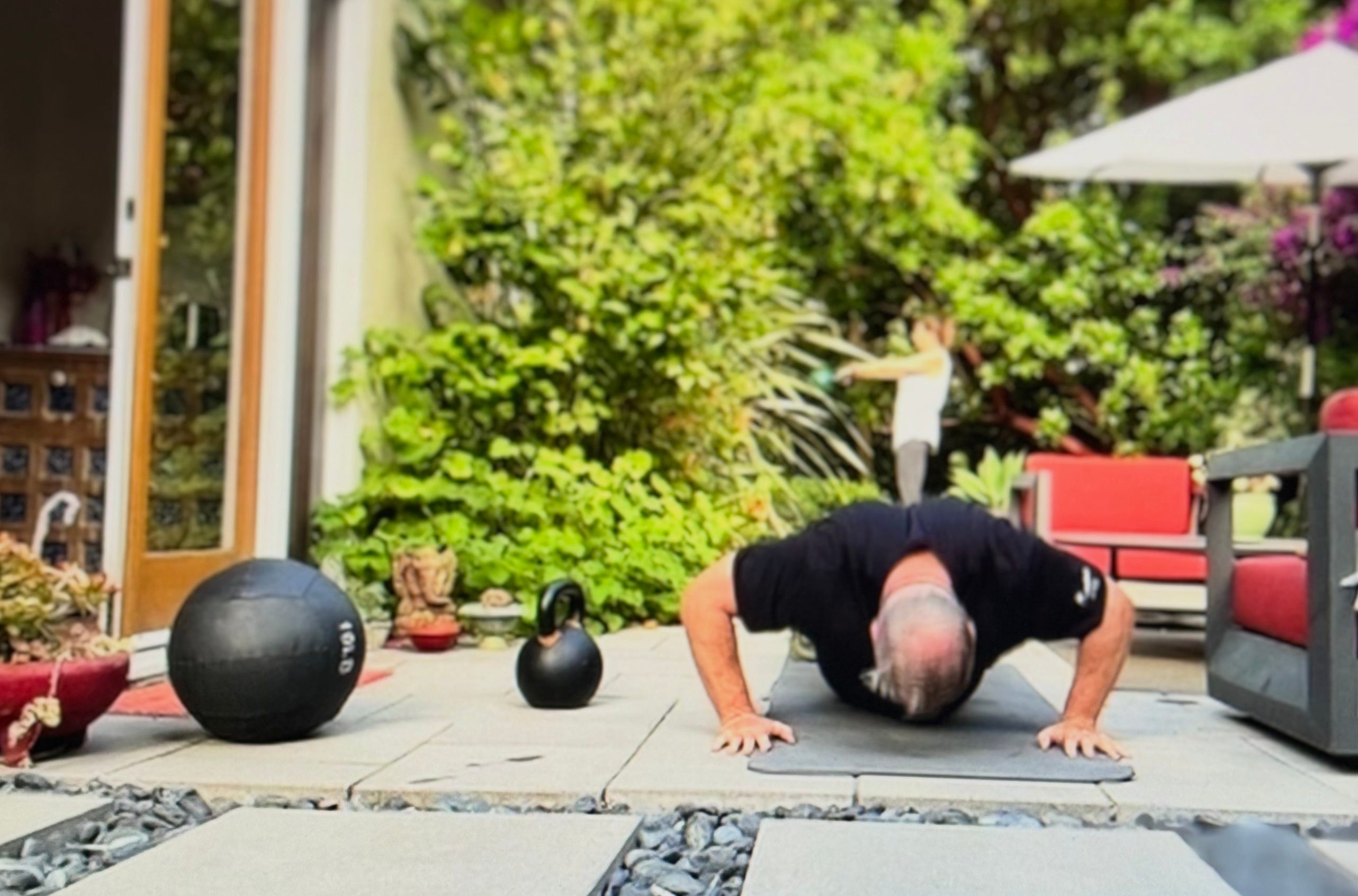
Your birth certificate doesn’t tell you how to train. Your body—and your life do.
I’ve never liked the phrase “age-appropriate exercise.”
That’s not because age doesn’t matter.
It absolutely does.
I’ve never liked it because it suggests your age should determine how you train.
After more than four decades of coaching, I’ve learned that good coaching starts somewhere else.
Our bodies change as we get older. Recovery changes. Muscle becomes more important. And we don’t respond the way we did at 25. Ignoring those realities isn’t smart.
The problem is assuming your age tells us everything we need to know.
It doesn’t.
The Same Age Doesn’t Mean the Same Person
Imagine two people who are both 62.
One hikes every weekend, strength trains twice a week, and has been active for decades.
The other hasn’t exercised consistently in years, struggles to get off the floor, and is dealing with chronic knee pain.
They share the same birth year.
They do not share the same body, the same experience, the same goals, or the same life.
So why would they follow the same plan?
Good Coaching Starts Somewhere Else
When I work with someone, I start by trying to understand the person sitting in front of me.
How do they move? What’s their training age and injury history? How well do they recover? What are they trying to accomplish?
What does their week actually look like?
Those answers tell me far more about how someone should train than the date on their driver’s license.
Age provides context.
It doesn’t determine the approach.
Where Age Does Matter
This doesn’t mean age is irrelevant.
Far from it.
As we get older, maintaining muscle becomes increasingly important. Recovery often requires more attention. We approach training a little differently than we did years ago. Life itself can become more demanding as careers, family responsibilities, and changing priorities compete for our time.
Those realities matter. They should influence your training—not define it.
There’s a difference between respecting age and letting it make all your decisions.
Finding the Right Approach
This is one of the reasons I spend less time talking about the best exercises or the perfect workout and more time helping people find the right approach.
The right dose for where they are today.
The right rhythm for the life they’re living.
The right plan for their body, their environment, and their current season of life.
Because those things change, your training should change with them.
That’s what makes it sustainable.
My Training
A handful of years ago, my own training changed.
COVID happened. My mom passed away. I had surgery.
Up until then, the meathead in me was always curious about what was possible. How hard could I push? How much could I do without breaking?
I did a pretty good job.
But it came with a price.
Eventually, there came a point when I wasn’t willing to keep paying it.
In many ways, I became the same person I’ve coached for years. I found myself having the same conversations I have with my clients.
Just because I can do something doesn’t mean I should.
Today, I’m far less interested in chasing the optimal outcome and much more interested in living stronger, longer.
That shift changed how I train.
I pay closer attention to recovery. I adjust the dose when life gets busy. I choose consistency over proving something to myself.
In other words, I try to live the same principles I write about here and coach every day.
The Goal
The goal isn’t to find age-appropriate exercise.
The goal is to find an approach that fits who you are today—and continues to evolve as your body and your life change.
Training that helps you stay strong, capable, and independent.
Not just this year.
But throughout the second half of life.
Here with you for the second half—Jeff
P.S. Don’t ask whether your training is age-appropriate. Ask whether it’s appropriate for you.